The Ransomware Scam That Strikes Twice
After a ransomware attack, someone offers to recover your data. But what if they're the same people who attacked you? Why you need an incident response plan before you need it.
Imagine your business has just been hit by ransomware. Your files are locked, data has been stolen, and you're trying to work out what's happened and what the criminals will do next.
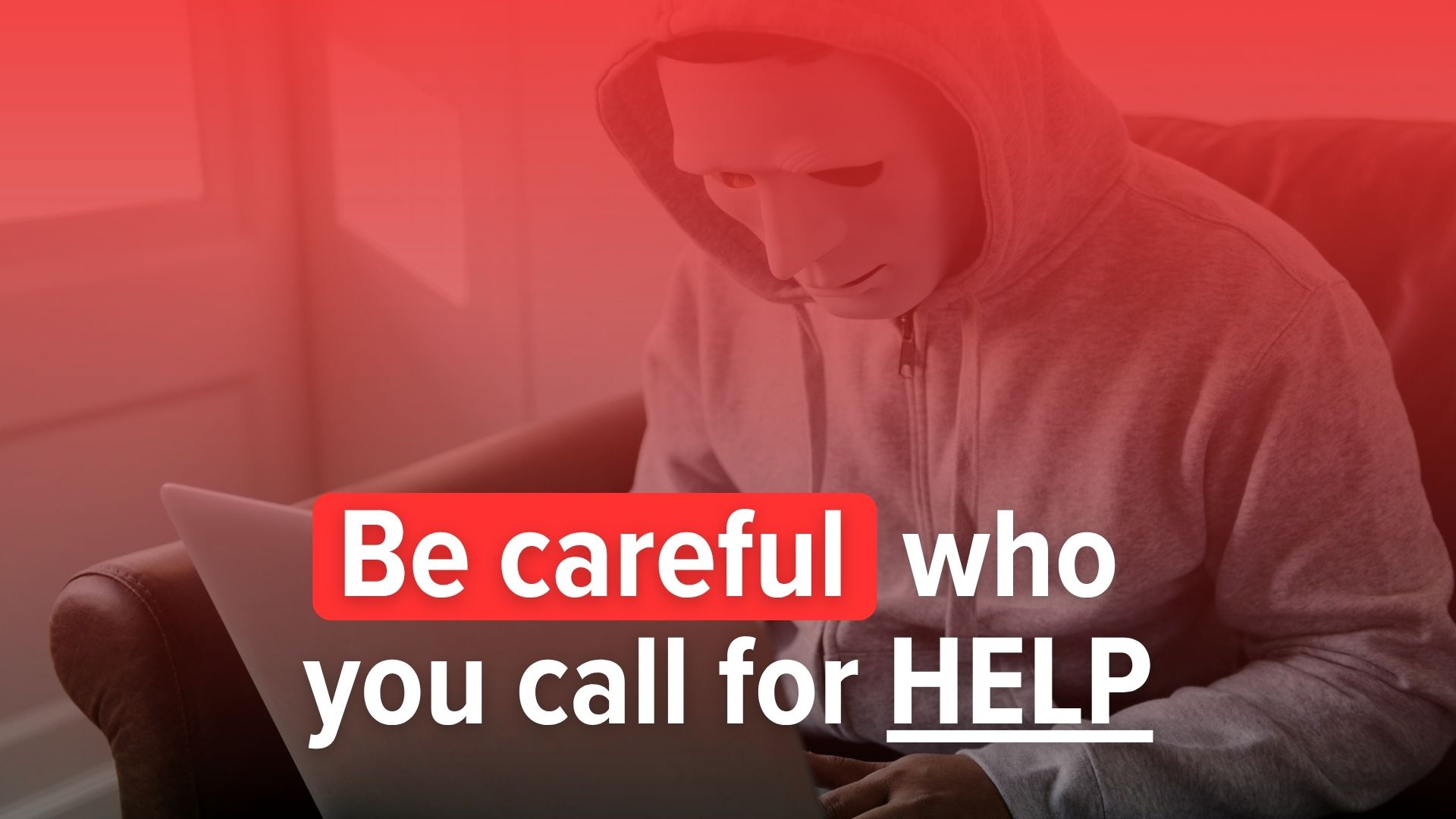
Then someone gets in touch offering to help. They say they've broken into the criminals' systems, can delete your stolen data and may even be able to give you the key to unlock your files.
It sounds like a lifeline. But a new ransomware scam suggests the people offering that lifeline may be the same people who caused the problem.
Meet 'Ransom Busters'
Researchers investigating several recent ransomware attacks came across a group calling itself 'Ransom Busters'. It contacted businesses that had been attacked and offered a recovery service, claiming it had hacked into the ransomware gangs' own systems and could reach both the stolen data and the keys needed to unlock encrypted files.
Something about the timing didn't add up. In some cases, Ransom Busters knew which businesses had been attacked before that information had been made public.
When researchers looked more closely, they found similarities between the attackers and the so-called recovery service, including the software they used and the way they operated. In other words, the rescuers may well have been the attackers.
Why this scam works so well
Think about the position a business is in after an attack. Staff are under pressure, normal work has stopped, sensitive information may have been taken, and big decisions need making fast.
Then someone arrives promising to make a large part of the problem disappear. For a business owner in that situation, the offer is very tempting, and that's exactly what the criminals are counting on.
How ransomware keeps evolving
Early ransomware simply locked files and demanded payment for the key. As businesses got better at backups, criminals began stealing data first and threatening to publish it. Some added extra pressure by taking websites offline or contacting victims directly.
Posing as the recovery team is the latest tactic. It means you have to be careful about who you trust at the very moment you most need help.
Know who you'll call before it happens
This is why every business, however small, should have an incident response plan in place before it's needed.
If you're attacked, you don't want to be searching online for help under that kind of pressure. You should already know who to call. Your IT support partner can investigate what happened, secure your systems and bring in specialist cyber security support where needed. They can also help you make sense of any contact from the attackers, or from anyone claiming they can recover your data.
Your plan should also cover who needs to be told. If personal data has been affected, you may need to report it to the ICO within 72 hours, and you should report the crime to the police. Having that written down saves precious time.
Give yourself more options
Preparation is what gives you options if ransomware does hit. That means reliable backups that attackers can't reach or alter, systems kept up to date, multi-factor authentication on every account, and sensible controls over who can access your data.
You can never guarantee your business won't be targeted. But you can make sure that if it happens, you're not making critical decisions while trying to work out who you can trust.
Jedi Services helps UK businesses build a practical cyber incident response plan before it's needed, so you know exactly what to do and who to call. Get in touch to get yours in place.